
Service · Core drilling
Core drilling: geotechnical & exploration in South Africa
Geotechnical drilling with SPT and Shelby tube sampling, and HQ and NQ diamond core drilling for mineral exploration.
What is core drilling?
Core drilling uses a diamond bit to cut a solid column of rock that is recovered for logging and testing. On construction projects it shows bedrock depth, weathering and fractures beneath proposed structures. In exploration it reveals rock types, geological contacts and mineralised intervals that loose cuttings cannot show.
Crysbol Consulting provides drilling, sampling and geological support for construction and mineral exploration projects across South Africa. We recover soil and rock samples and record subsurface conditions so that engineers and exploration teams can make informed decisions.
A borehole can combine soil sampling and SPT in the overburden with rotary coring in rock. Sampling intervals, target depths and termination criteria are agreed with your engineer or geologist before mobilisation, and casing and drilling fluids are chosen for the expected conditions.
Last updated
When you need it
When do you need core drilling work?
- You are designing buildings, bridges, roads, industrial plants or solar facilities and need to know the ground
- You need the depth and condition of bedrock beneath proposed structures
- Your engineer needs SPT results or undisturbed samples for laboratory testing
- An exploration programme needs HQ or NQ core from defined targets
- Geophysical or mapping targets need to be tested by drilling
How it works
Our process, step by step
- 01
Programme
Borehole positions, inclination, core size, target depths, sampling intervals and termination criteria are agreed with the client.
- 02
Site preparation
We review access, working platforms, utility clearance, water supply, induction and site controls, and plan how drilling water and cuttings are handled.
- 03
Drilling and sampling
SPT and Shelby tube sampling in soil, rotary diamond coring in rock, with groundwater observations and drilling conditions recorded.
- 04
Logging and records
Geotechnical or geological logs, core recovery and RQD, photographs and depth-labelled core trays, as commissioned.
- 05
Handover
Core, logs, sample inventories and laboratory dispatch records are handed over, with interpretation where it is part of the scope.
What the work covers
- 01Rock coring to examine rock type, weathering and fractures
- 02Bedrock depth and condition beneath proposed structures
- 03Standard Penetration Tests (SPT) with disturbed samples
- 04Shelby tube sampling in suitable cohesive soils
- 05HQ and NQ diamond core drilling for exploration
- 06Core logging, photography and sample management
- 07Groundwater observations and drilling records
Standards and references
- Standard Penetration Test (SPT)
- Blows are recorded over three 150 mm increments; the last 300 mm give the field N value. An N value is not a direct allowable bearing pressure.
- Rock Quality Designation (RQD)
- The length of sound core pieces of at least 100 mm as a share of the run length, separating drilling breaks from natural discontinuities.
- HQ, NQ and HQ3 core
- Typically 63.5 mm (HQ), 47.6 mm (NQ) and 61.1 mm (HQ3 triple tube) core diameters. Nominal sizes vary with tooling.
- SAMREC Code
- Drilling alone does not establish a mineral resource or reserve. Resource estimation and Competent Person reporting are scoped separately.
Geotechnical testing and sampling
- 01
Standard Penetration Testing
A split spoon sampler is driven with a standard hammer to measure penetration resistance and recover a disturbed sample. It is common in granular soils, and results help assess variability and estimate soil behaviour through appropriate correlations.
- 02
Shelby tube sampling
A thin-walled tube is pushed smoothly into soft to firm clay to recover a relatively undisturbed specimen. Tubes are labelled, sealed and protected so they can be used for consolidation, triaxial and density testing.
- 03
Sampling quality
SPT gives penetration data and disturbed samples; Shelby sampling gives specimens with less disturbance. They answer different questions and can be combined in one investigation.
Exploration coring
- 01
Rotary diamond core drilling
A diamond bit cuts around a column of rock while drilling fluid cools the bit and removes cuttings. The recovered core shows geological features that are hard to assess from cuttings.
- 02
HQ and NQ coring
HQ gives more material for examination and laboratory specimens. NQ suits programmes where a smaller core size meets the sampling needs.
- 03
Double and triple tube
Double tube barrels protect the core from the rotating outer barrel. Triple tube coring adds a split liner to support fragile material. Shorter runs can help in weak or broken ground.
- 04
Logging and mineral sampling
Where commissioned, logs describe lithology, alteration, mineralisation and structure, with core photographs and unique sample numbers for traceable laboratory submission.
In the field
Our core drilling work on site
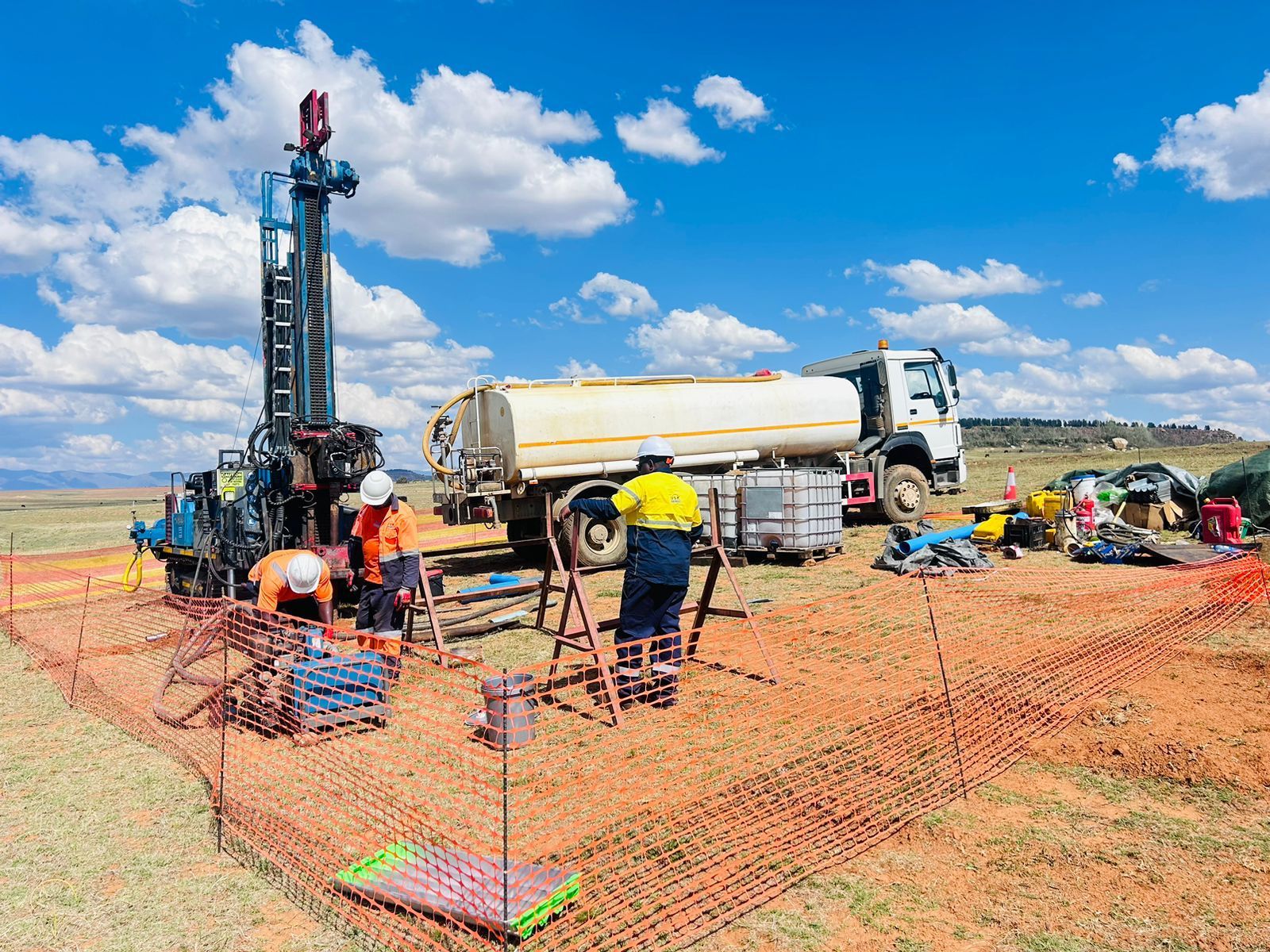
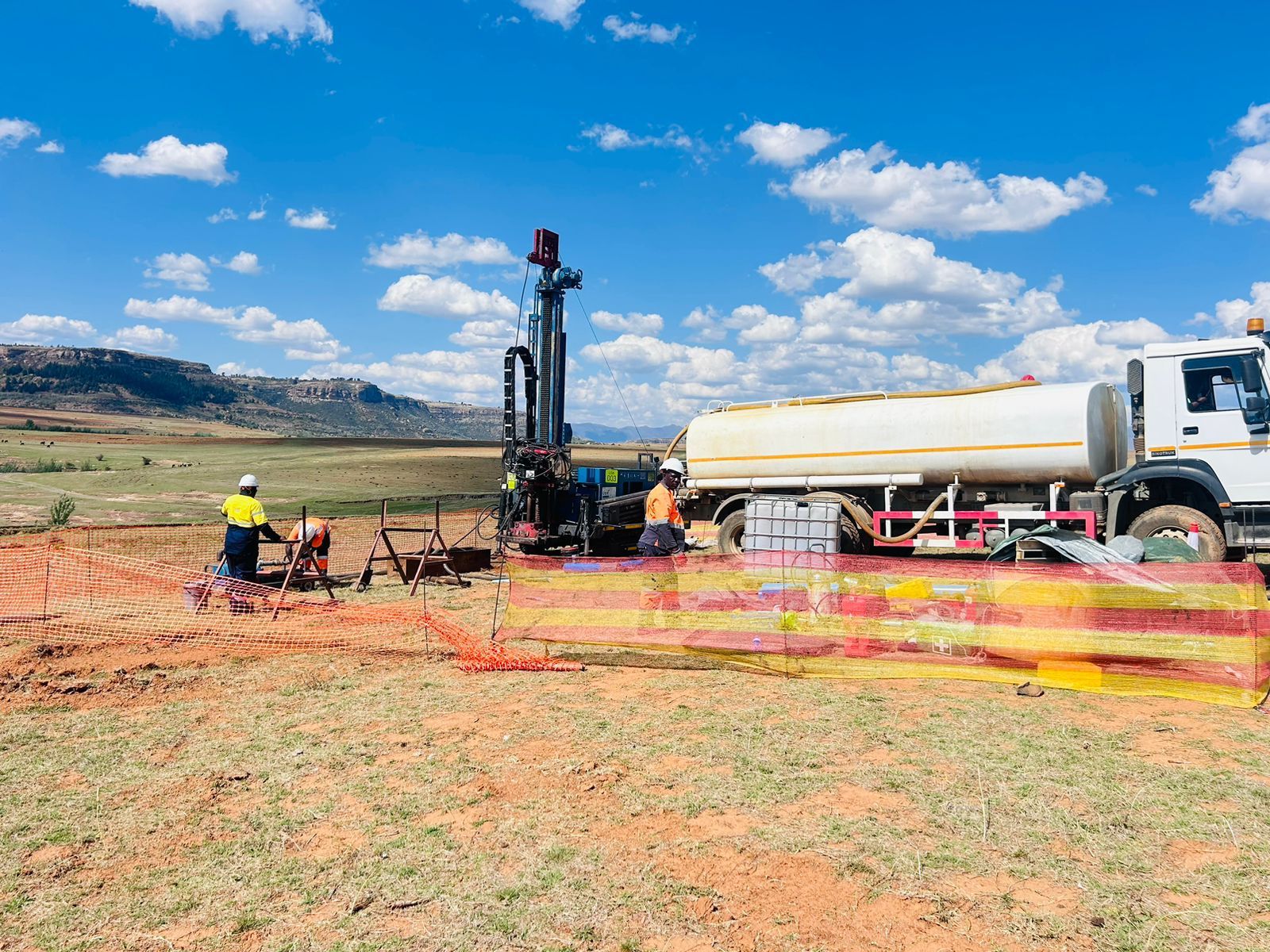
Drill rig inside a safety barrier with the crew at work 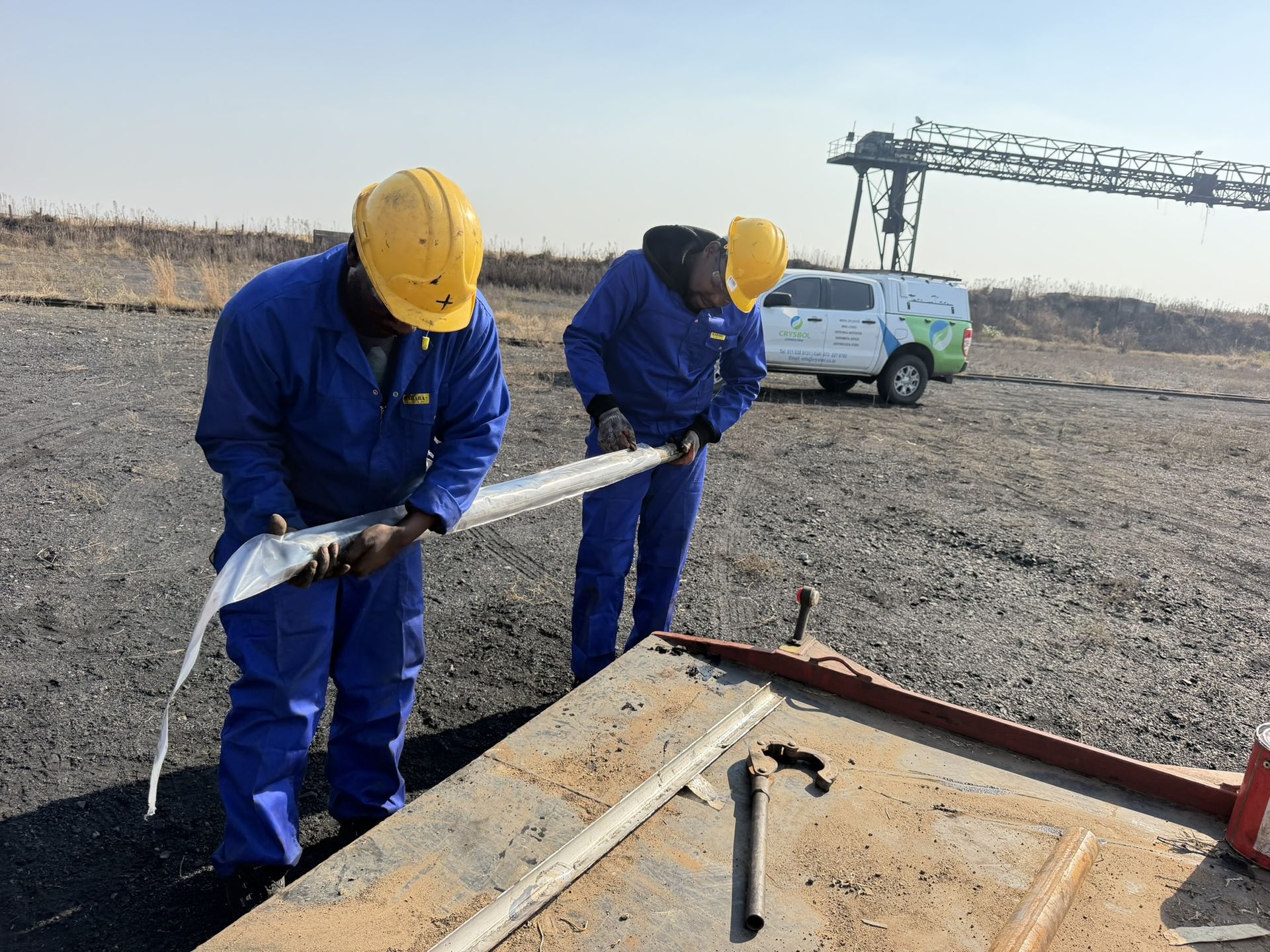
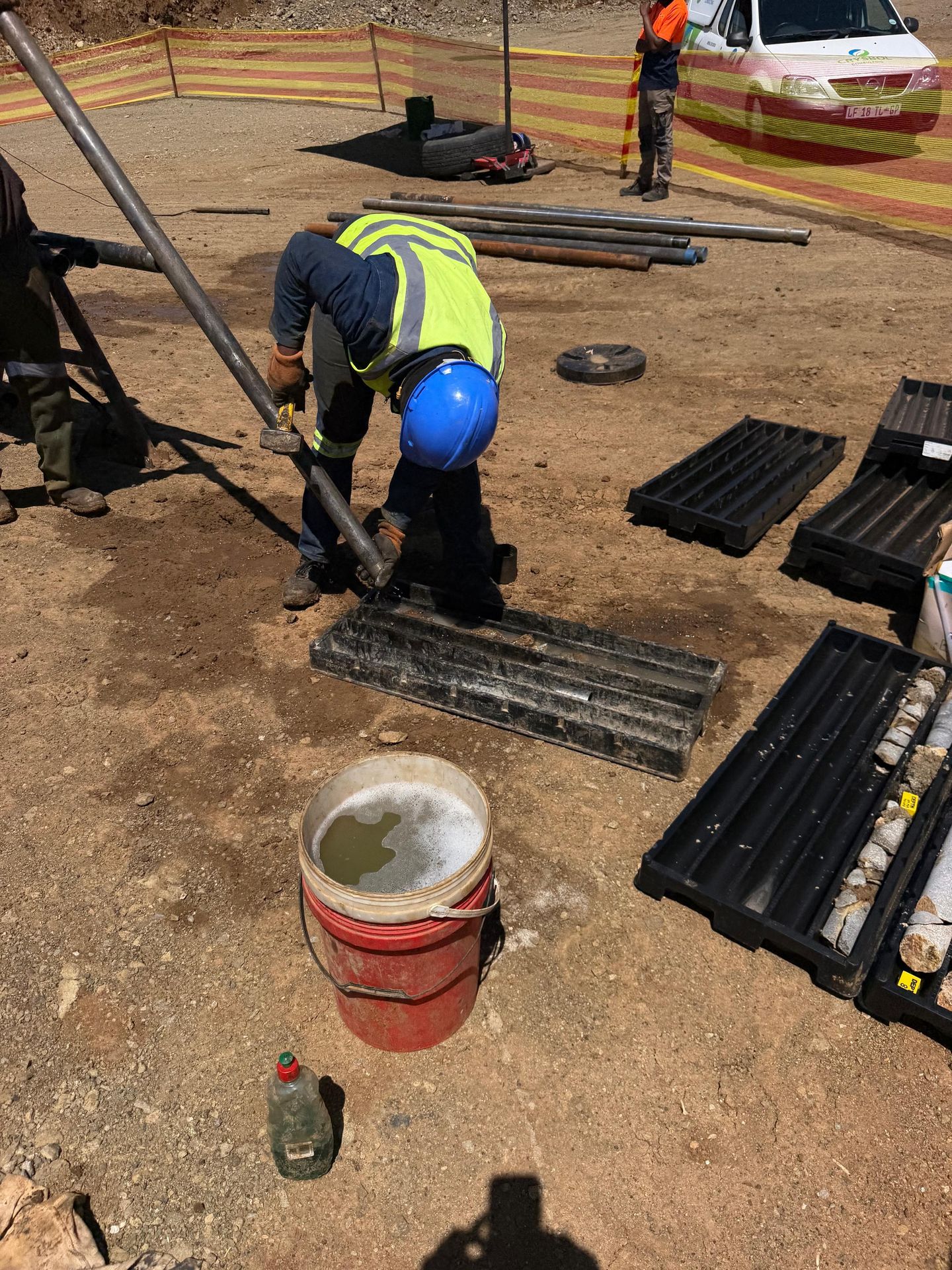
Crew in hard hats handling a sample tube at the rig 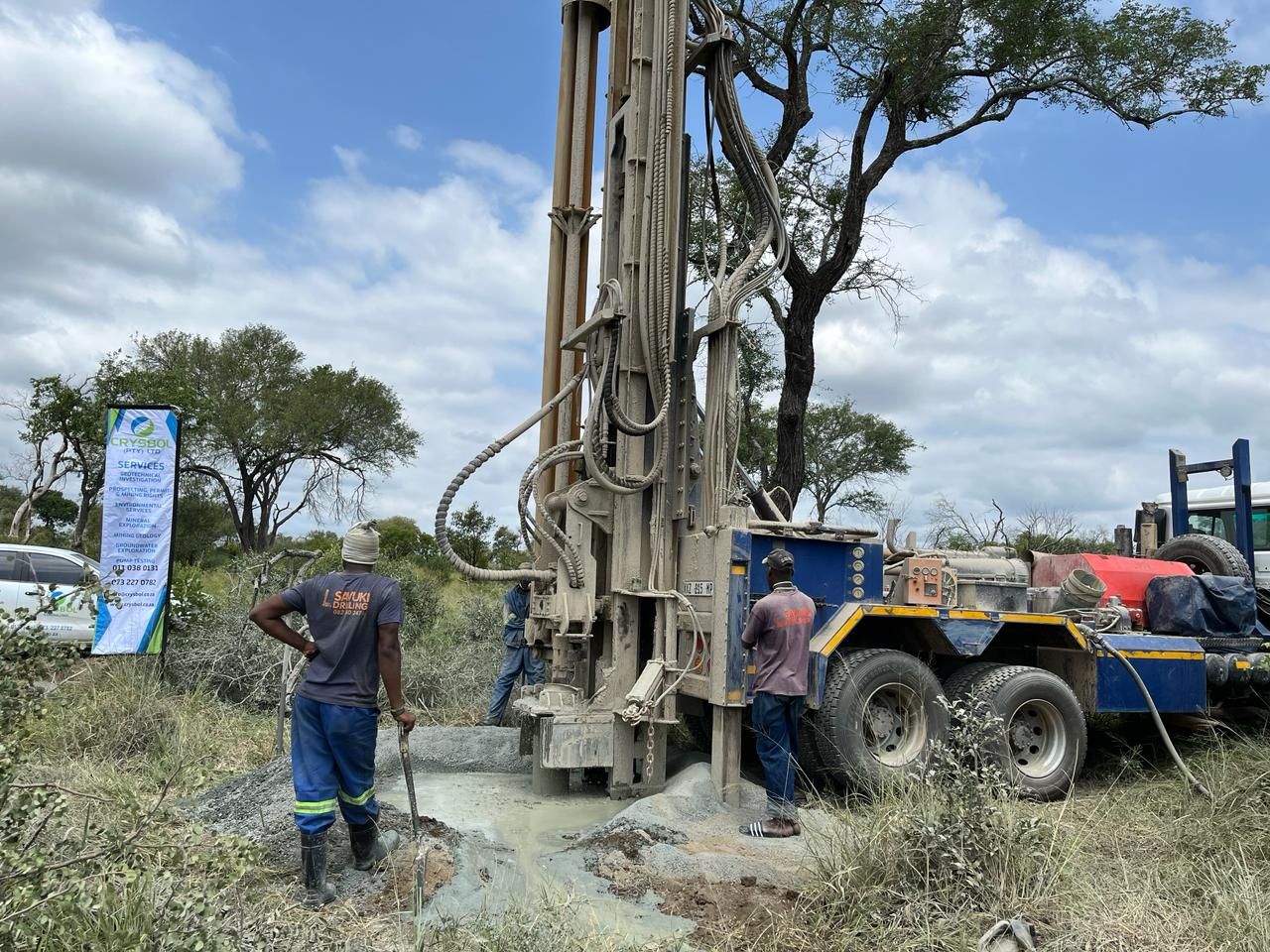
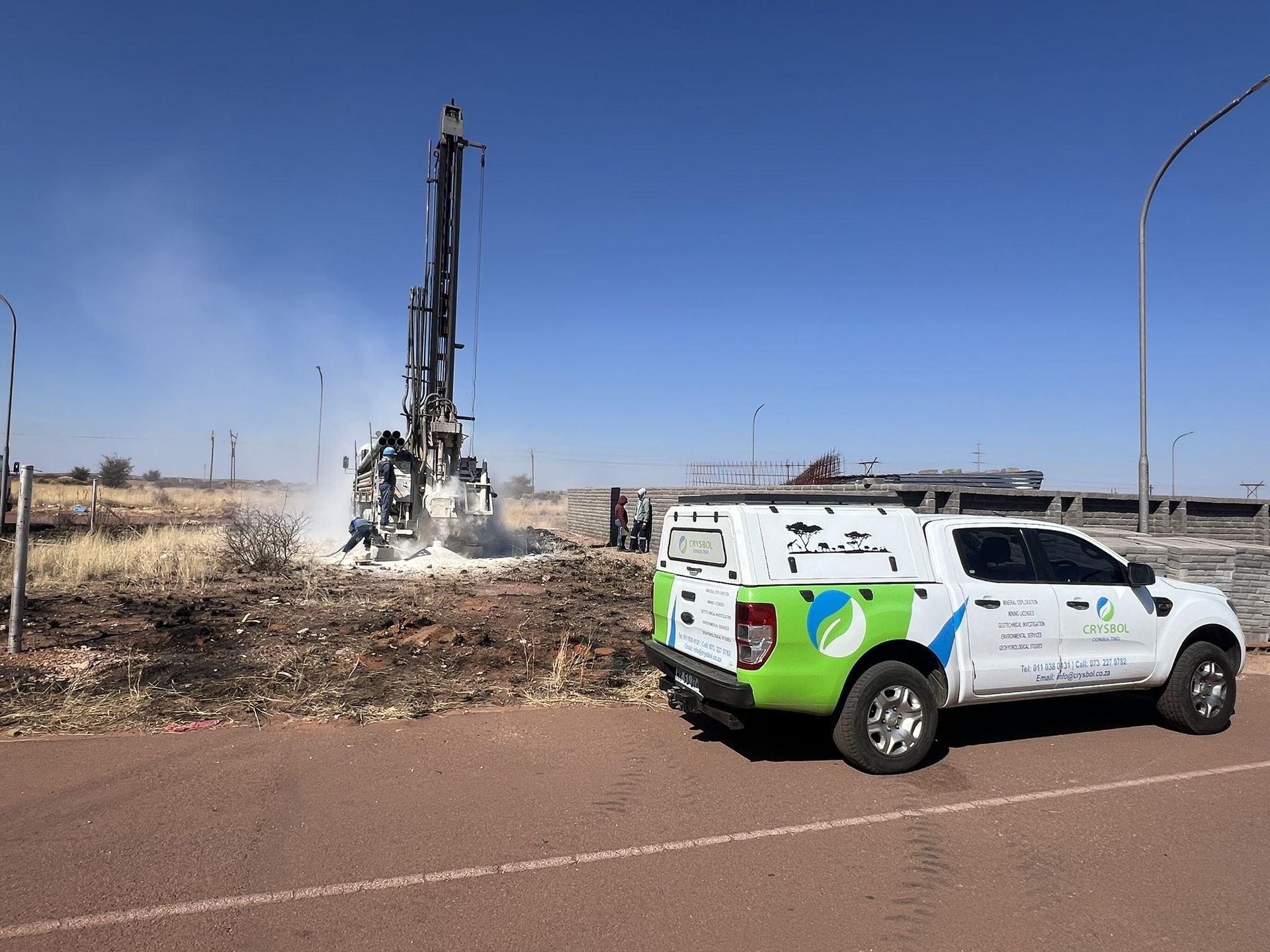
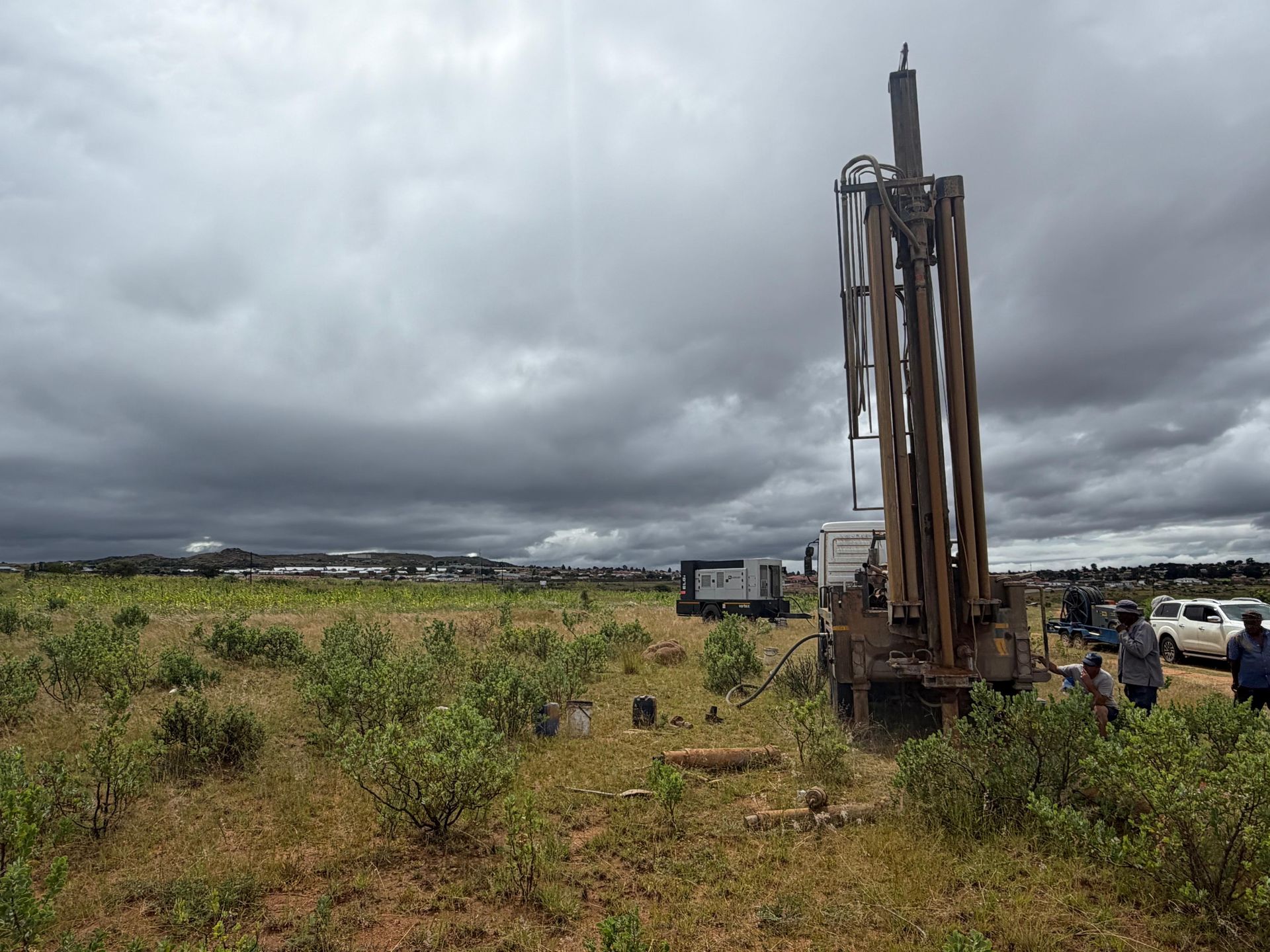
Truck-mounted rig drilling in the bush 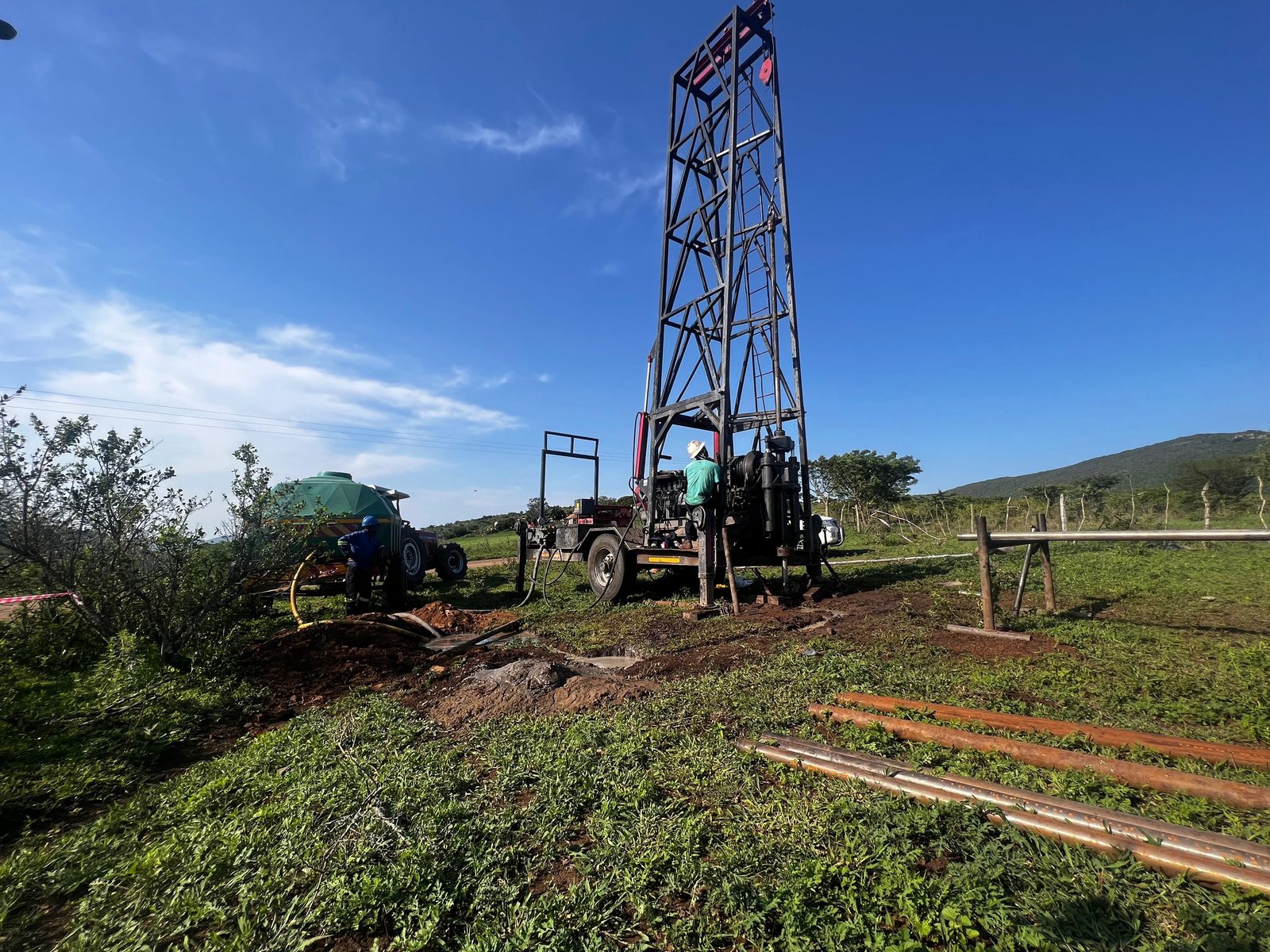
Core drilling rig and drill rods on a hillside at Nongoma 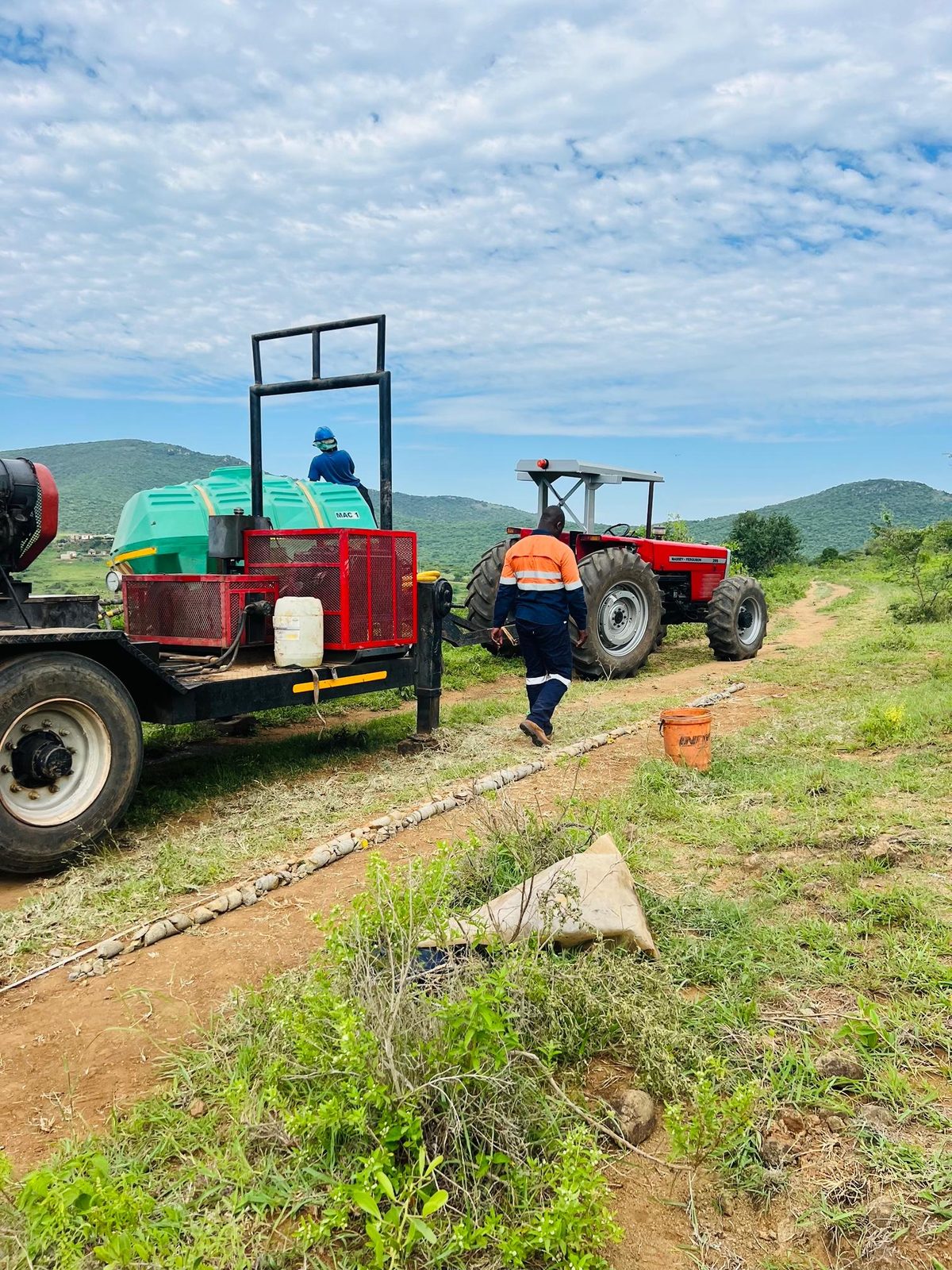
Rig trailer, water tank and tractor at the Nongoma drill site 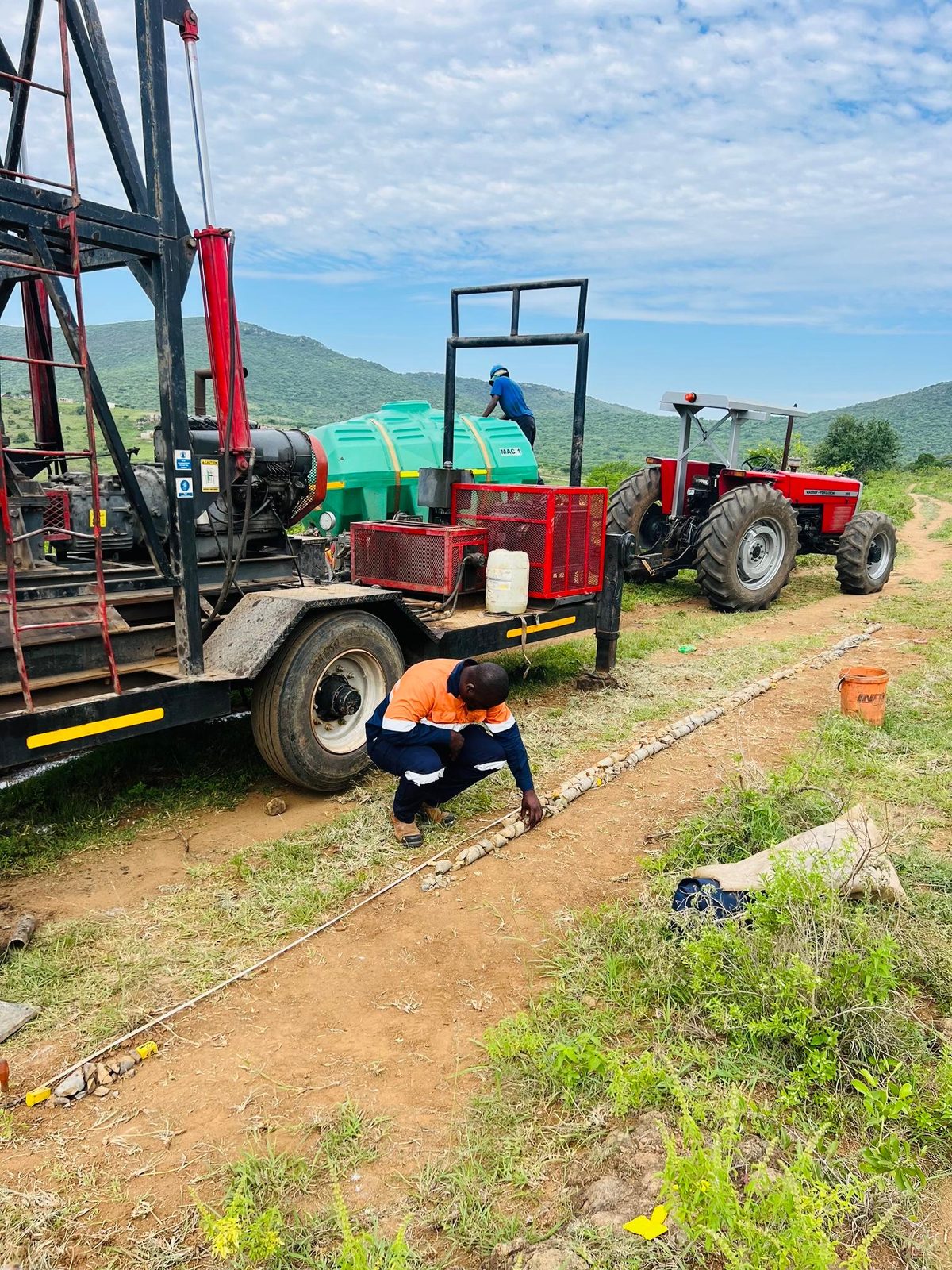
Crew member checking the core line beside the rig at Nongoma 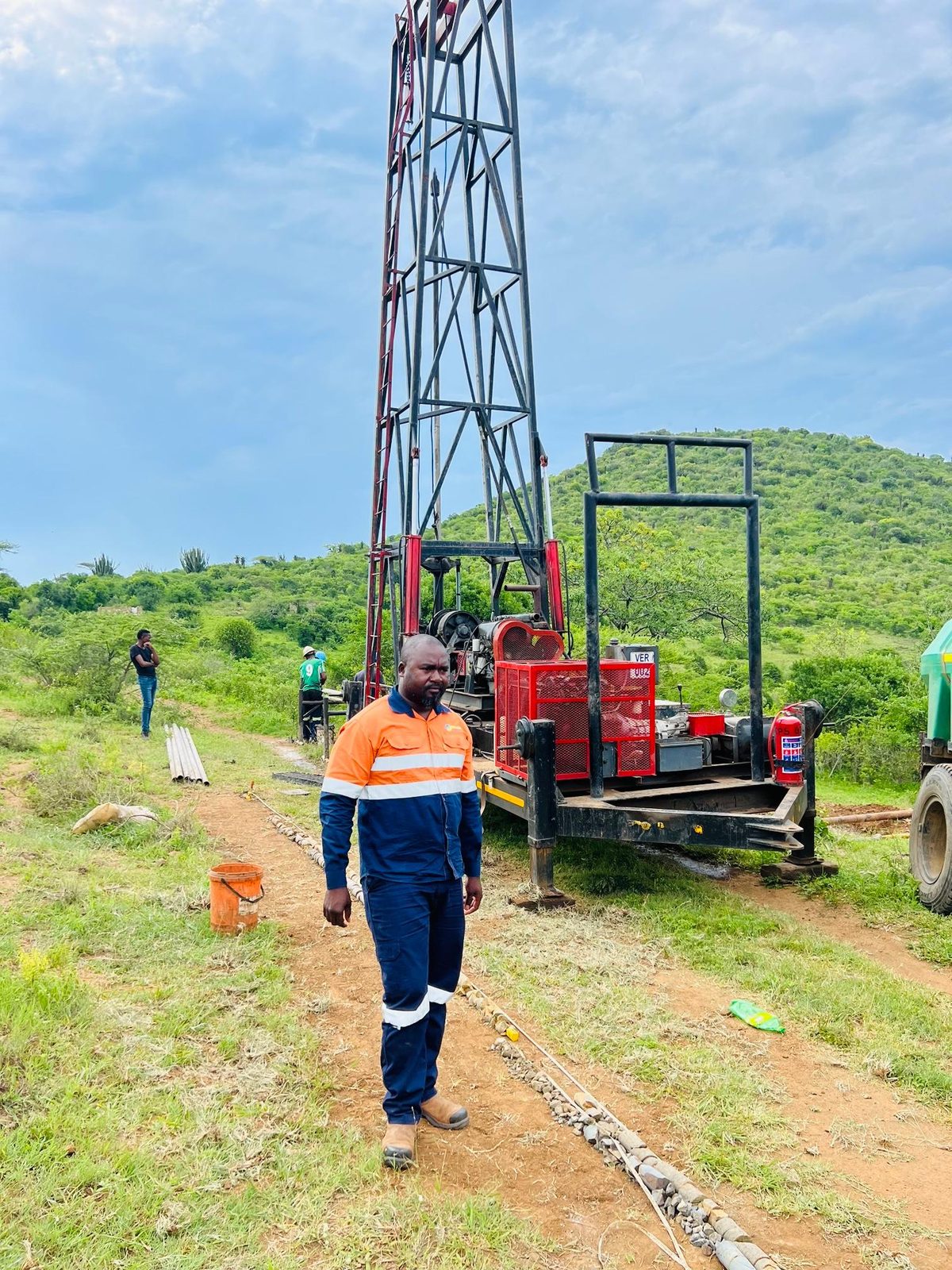
Crew member at the core line in front of the drill rig at Nongoma 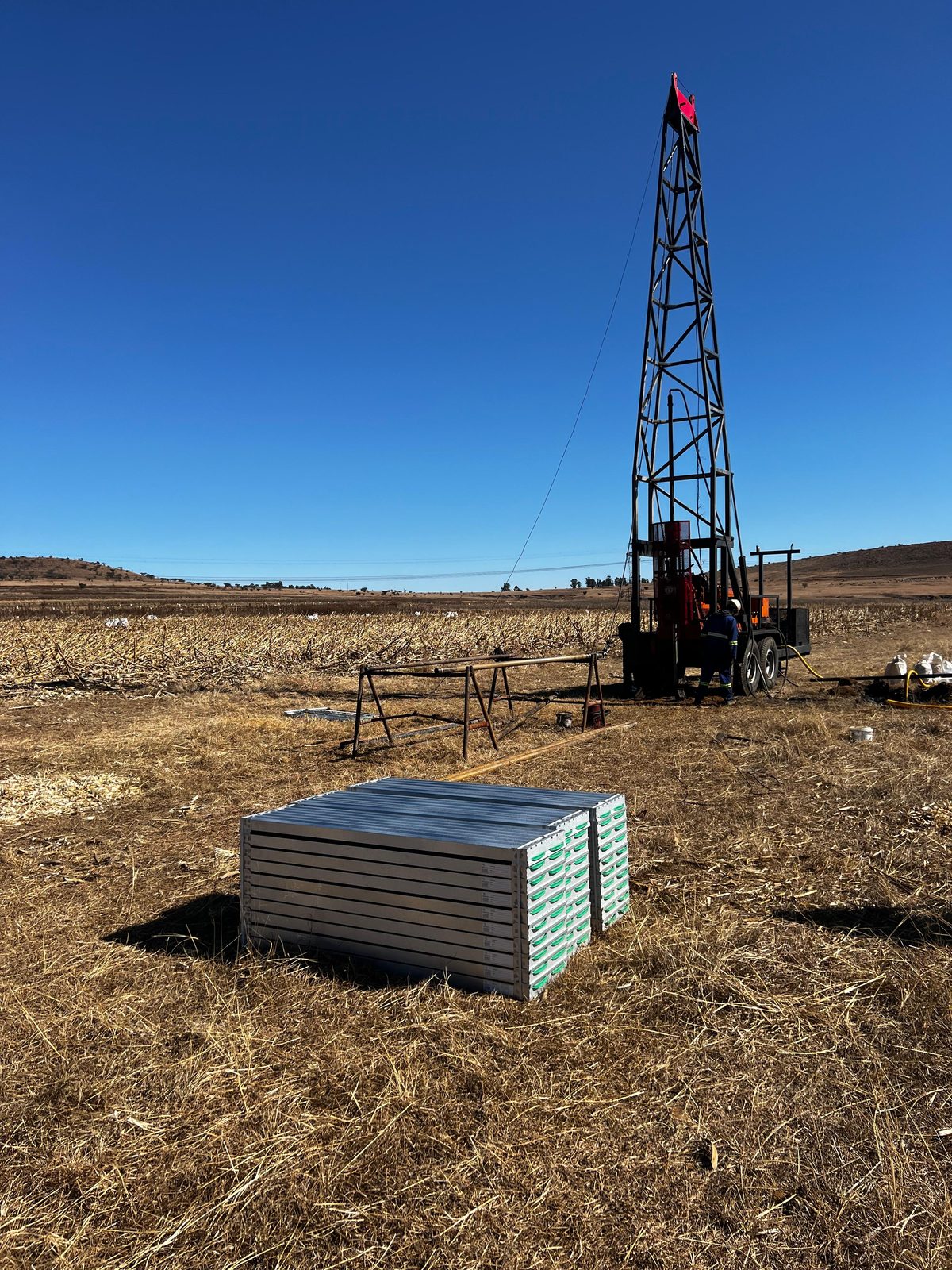
Drill rig and stacked core trays in dry veld at Dundee 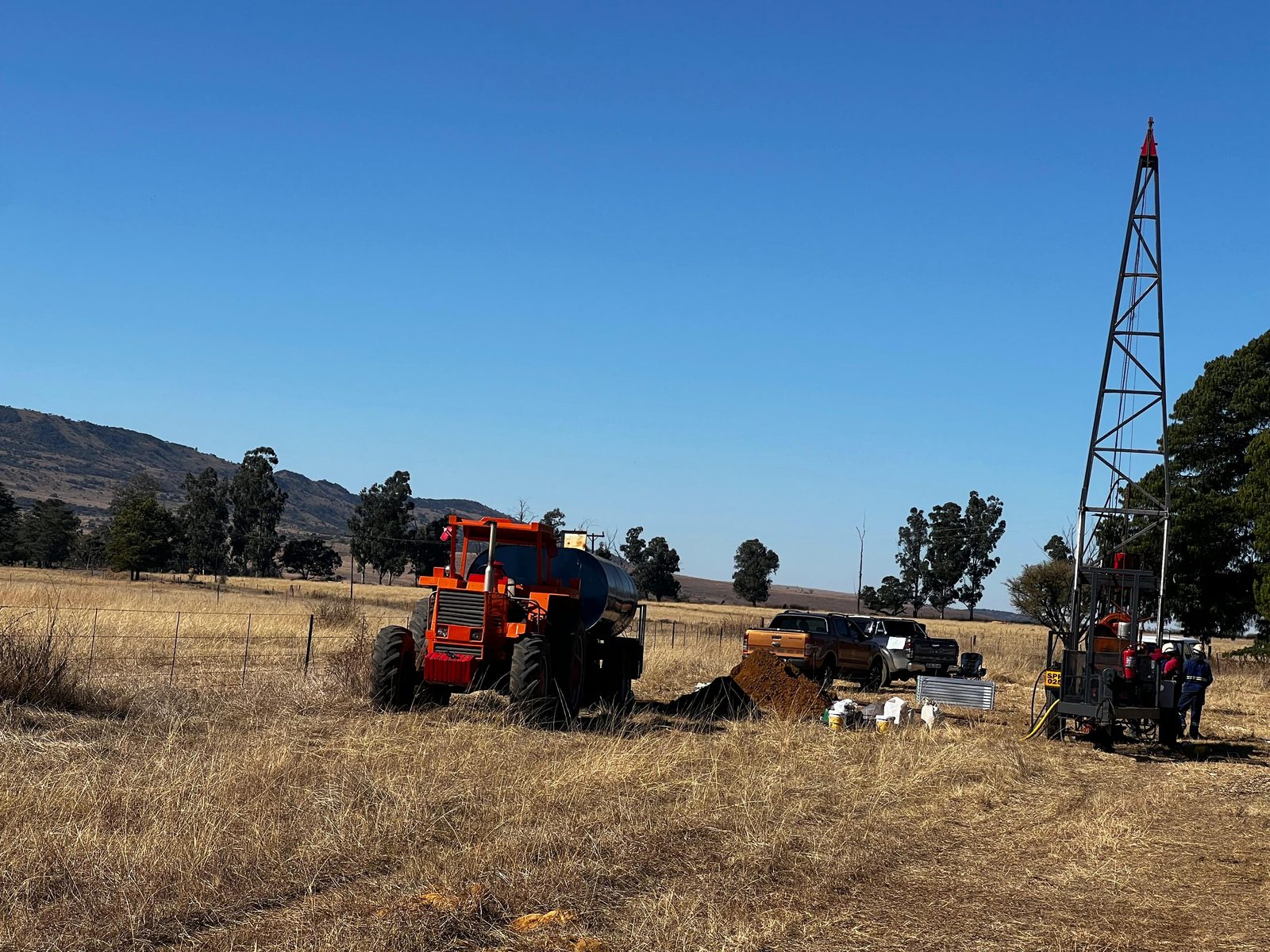
Tractor and drill rig on the Dundee core drilling site 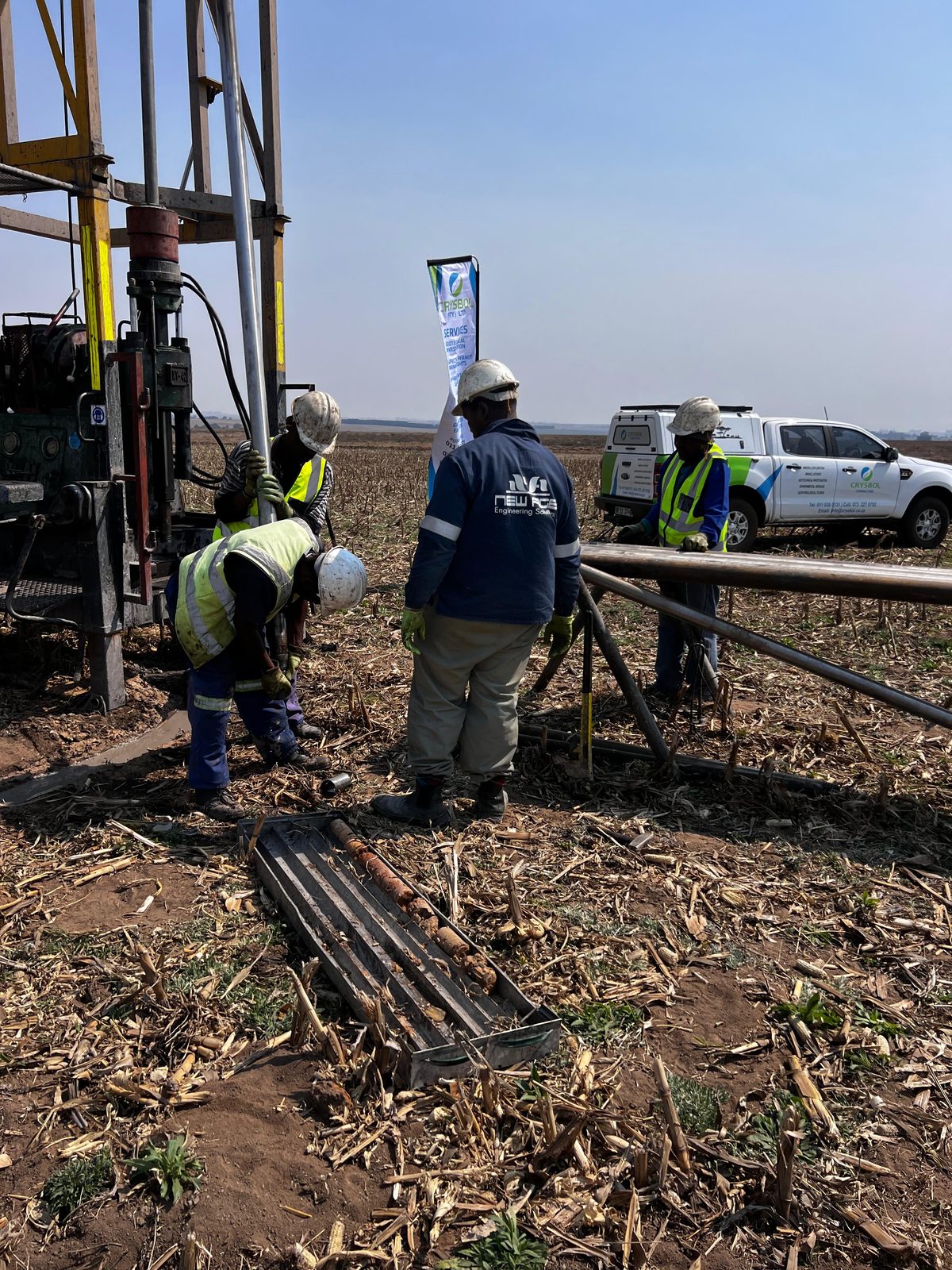
Crew laying core from the barrel into a core tray at the Carolina rig 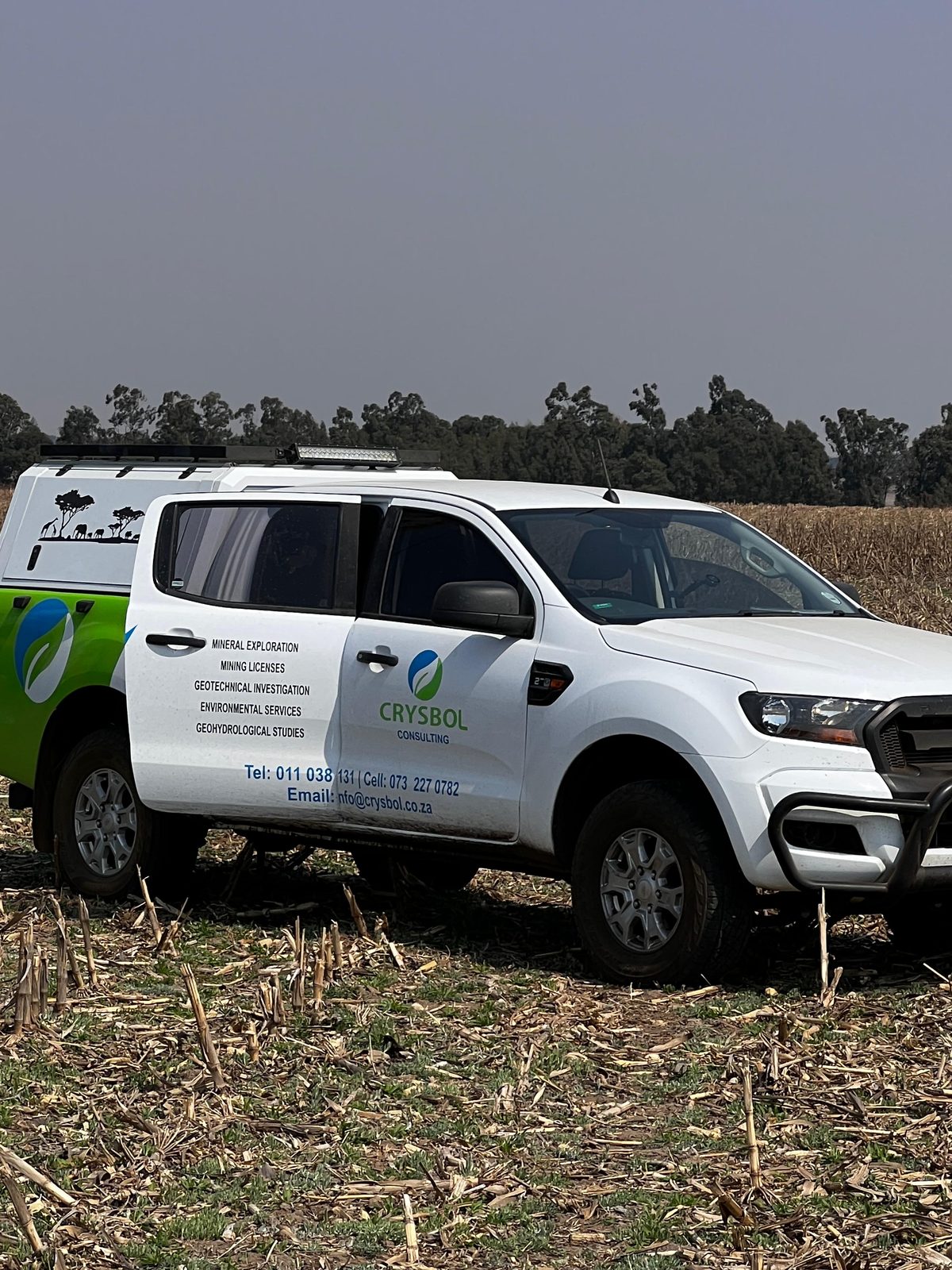
Crysbol bakkie at the Carolina coal drilling site in a harvested maize field 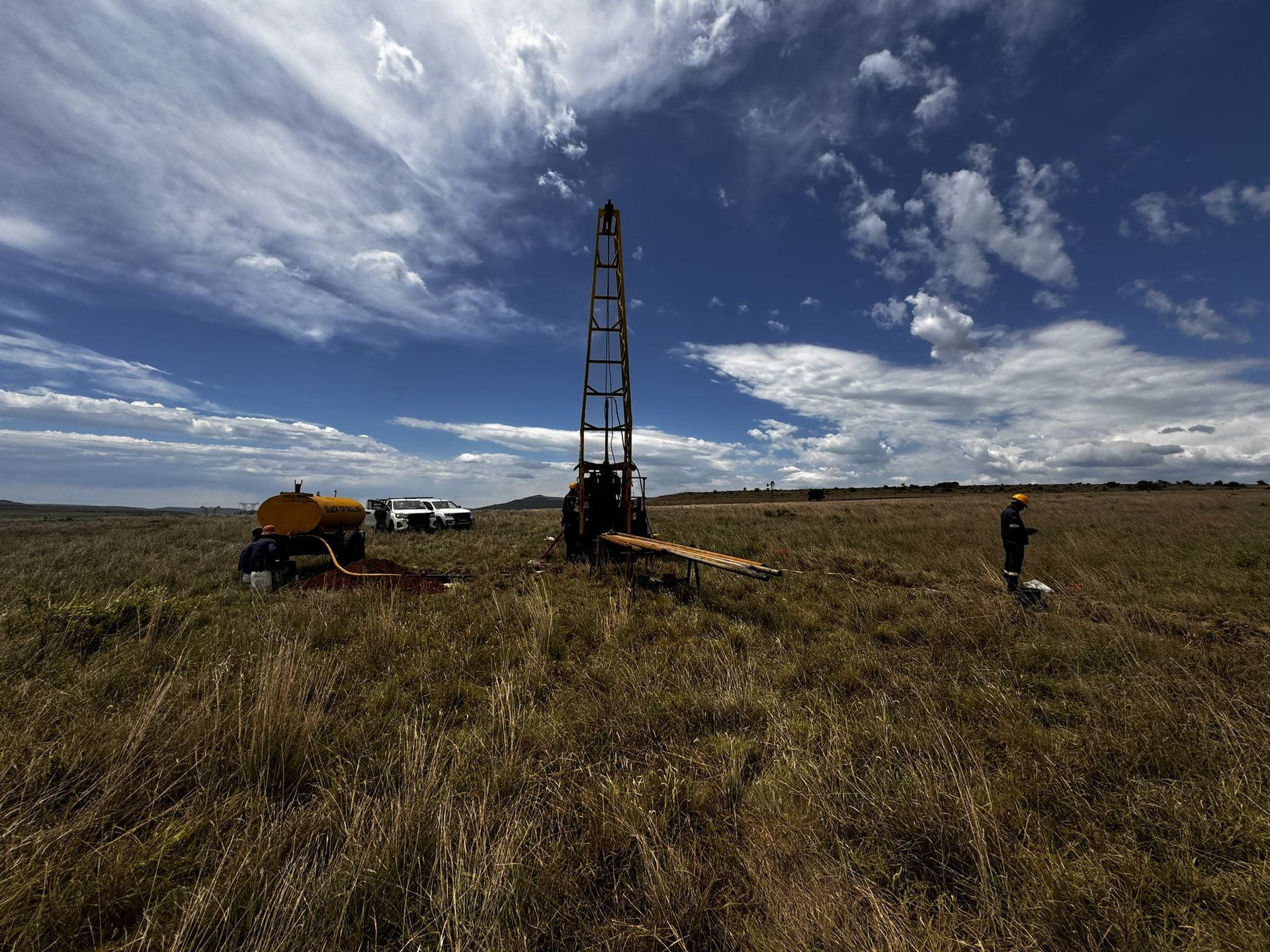
Exploration drill rig in grassland under a wide sky 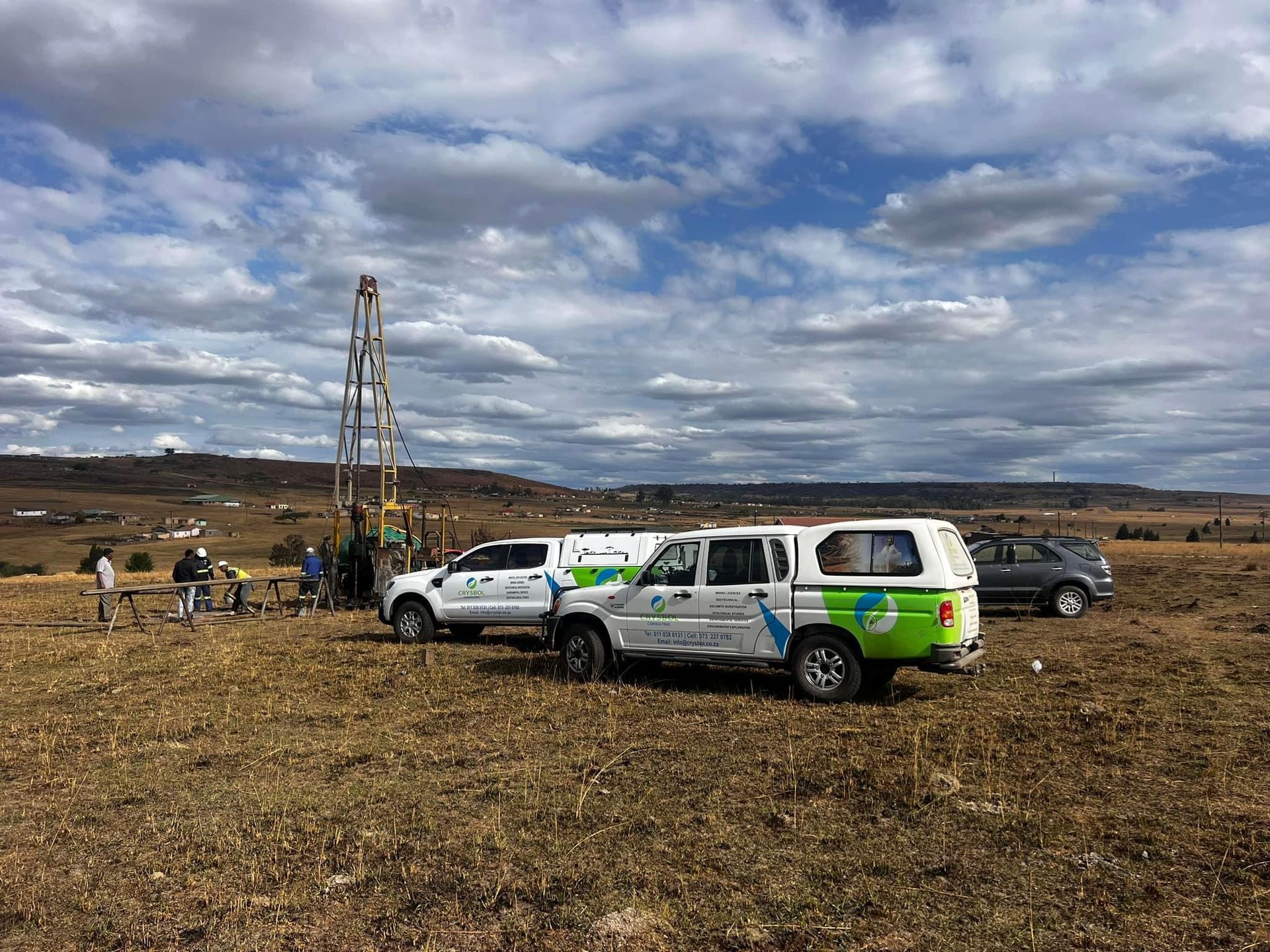
Exploration rig with Crysbol vehicles on site 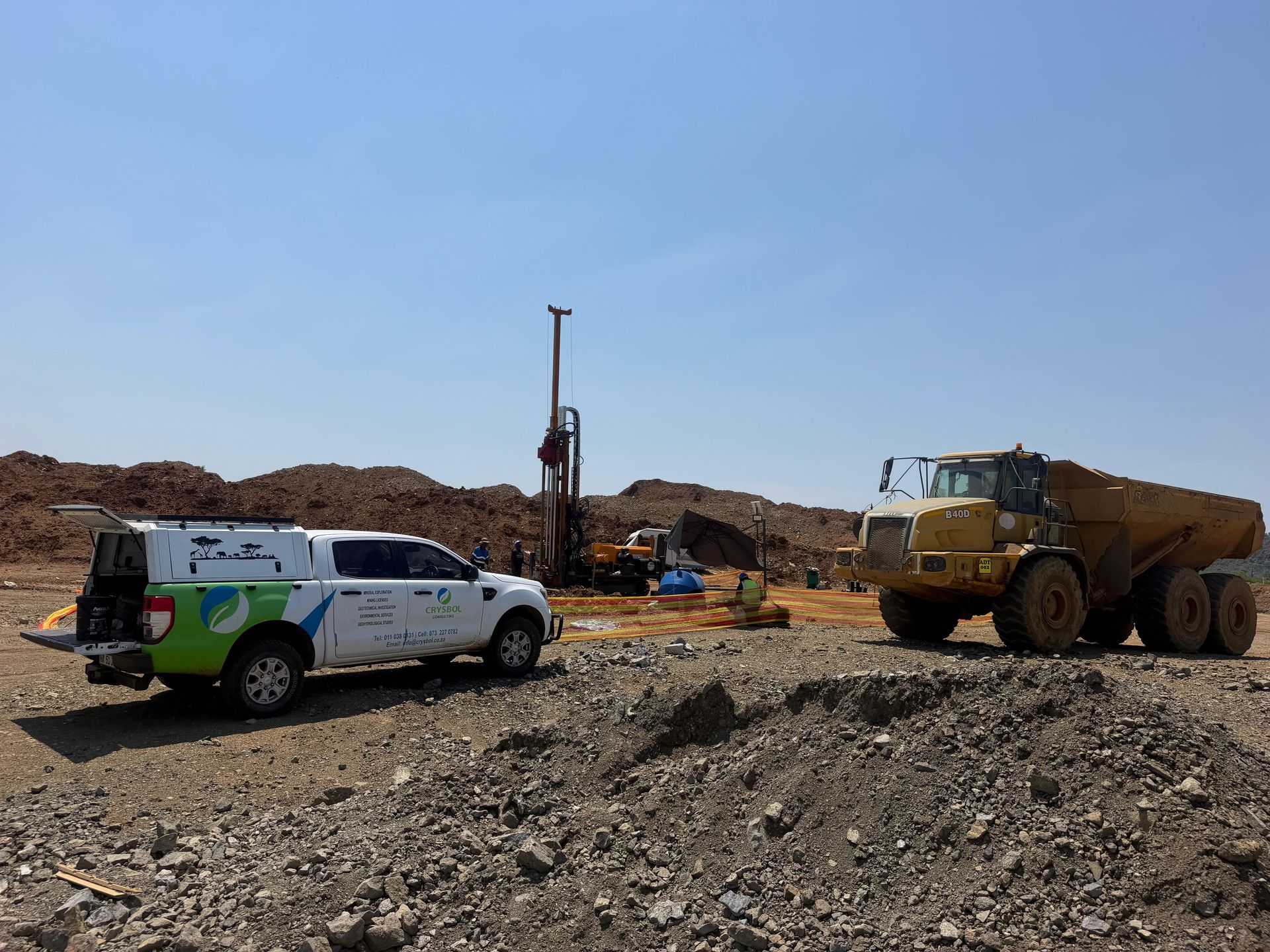
Crysbol vehicle, drill rig and haul truck at a mine site
Recent projects
Core drilling: geotechnical & exploration: recent work
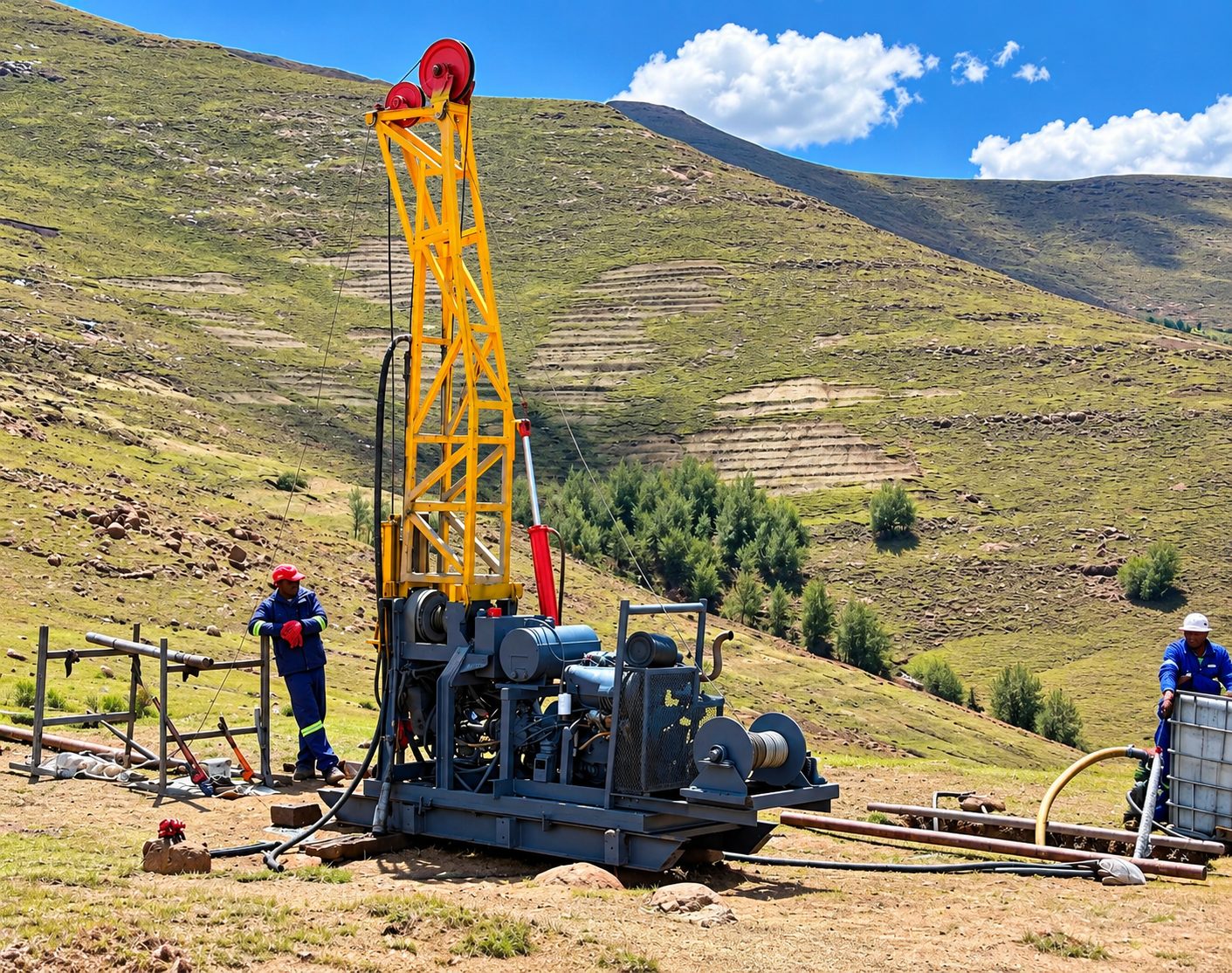
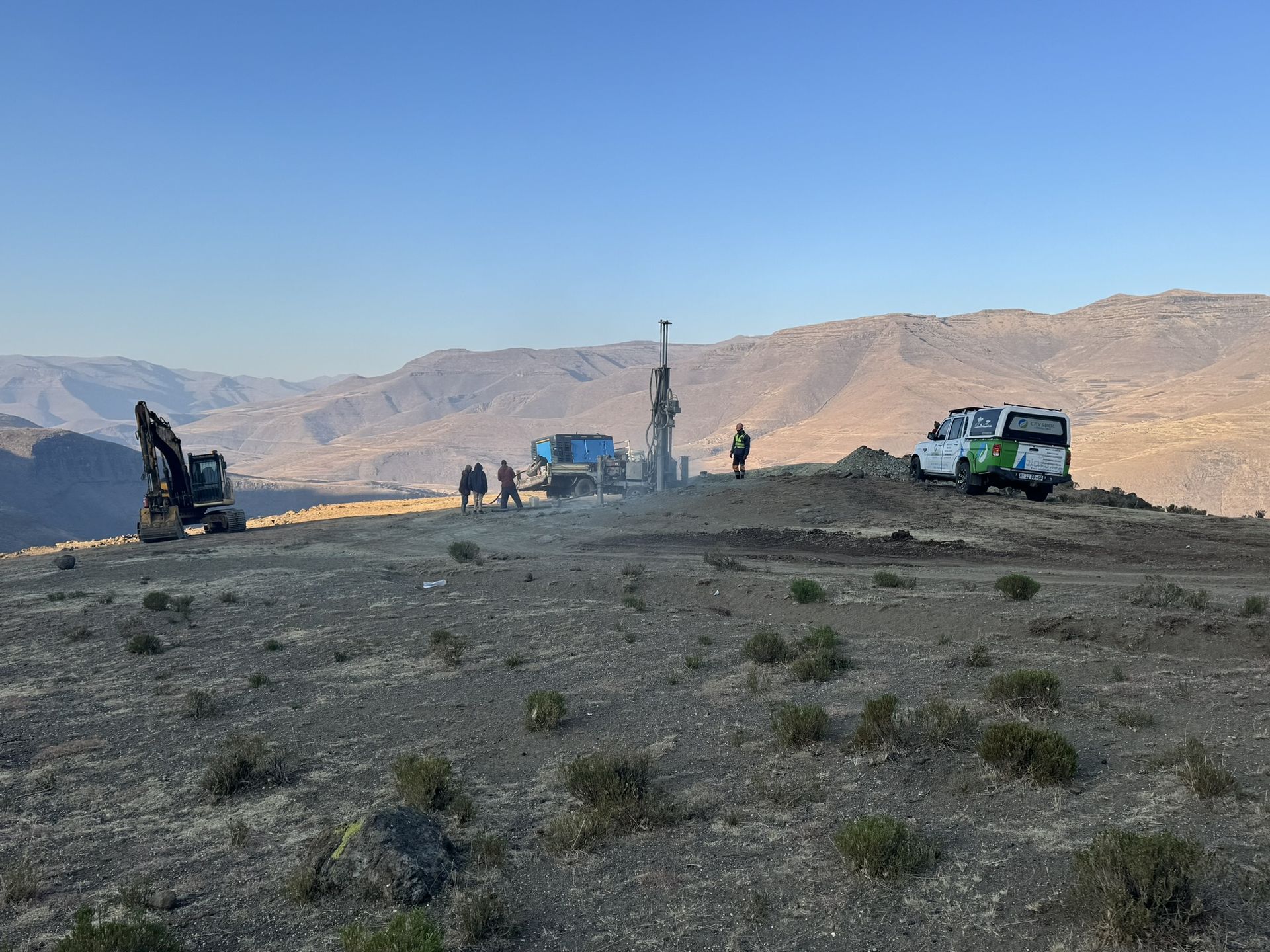
Mafulane Ha Robert Village, Mokhotlong District, Lesotho · June 2025
Kimberlite diamond exploration and core drilling at Mafulane
Geological exploration and core drilling for the Mafulane Kimberlite Diamond Project: five boreholes drilled through kimberlite and basalt to recover core for logging and sampling.
Tshwinga Bridge project
Geotechnical drilling for the Tshwinga Bridge
Geotechnical drilling for the Tshwinga Bridge project, with drilling logs and core samples prepared for handover.
Questions
Core drilling: geotechnical & exploration: frequently asked questions
What is the difference between SPT and Shelby tube sampling?
- SPT drives a split spoon sampler with a standard hammer to measure penetration resistance and recover a disturbed sample. A Shelby tube is pushed smoothly into soft to firm clay to recover a relatively undisturbed specimen for consolidation and strength testing.
Should I choose HQ or NQ core?
- HQ core, typically 63.5 mm in diameter, gives more material for examination and laboratory specimens. NQ, typically 47.6 mm, suits programmes where a smaller size meets the sampling needs. Triple tube coring helps recover fragile or broken rock.
Does drilling establish a mineral resource?
- No. Drilling recovers core and data. Geological modelling, resource estimation and Competent Person reporting are separate specialist services that we scope as needed.
What do you need to quote for drilling?
- Your site location, project purpose, number of boreholes, target depths and preferred start date, plus drawings, access photographs, core size, SPT intervals, Shelby sampling depths and laboratory requirements where known.
Can you drill to our consultant's specification?
- Yes. We can quote drilling only, to your consultant's specification, or an agreed package of fieldwork, logging, testing coordination and reporting.
Where we offer it
Core drilling: geotechnical & exploration in all nine provinces
- Core drilling in GautengCore drilling for sites in and around Johannesburg and the rest of Gauteng, run by our team from Midrand.
- Core drilling in MpumalangaCore drilling for sites in and around Mbombela and the rest of Mpumalanga, run by our team from Midrand.
- Core drilling in LimpopoCore drilling for sites in and around Polokwane and the rest of Limpopo, run by our team from Midrand.
- Core drilling in North WestCore drilling for sites in and around Mahikeng and the rest of North West, run by our team from Midrand.
- Core drilling in Free StateCore drilling for sites in and around Bloemfontein and the rest of Free State, run by our team from Midrand.
- Core drilling in KwaZulu-NatalCore drilling for sites in and around Pietermaritzburg and the rest of KwaZulu-Natal, run by our team from Midrand.
- Core drilling in Northern CapeCore drilling for sites in and around Kimberley and the rest of Northern Cape, run by our team from Midrand.
- Core drilling in Eastern CapeCore drilling for sites in and around Bhisho and the rest of Eastern Cape, run by our team from Midrand.
- Core drilling in Western CapeCore drilling for sites in and around Cape Town and the rest of Western Cape, run by our team from Midrand.
Need core drilling support?
Send us the site location and a short description of the work. We will reply with a scope and quote, usually within two working days.